28 Safar — corresponding to Wednesday, August 12, 2026
For the night of 28 Safar — demise of the Prophet (s) and martyrdom of Imam Hasan (a)
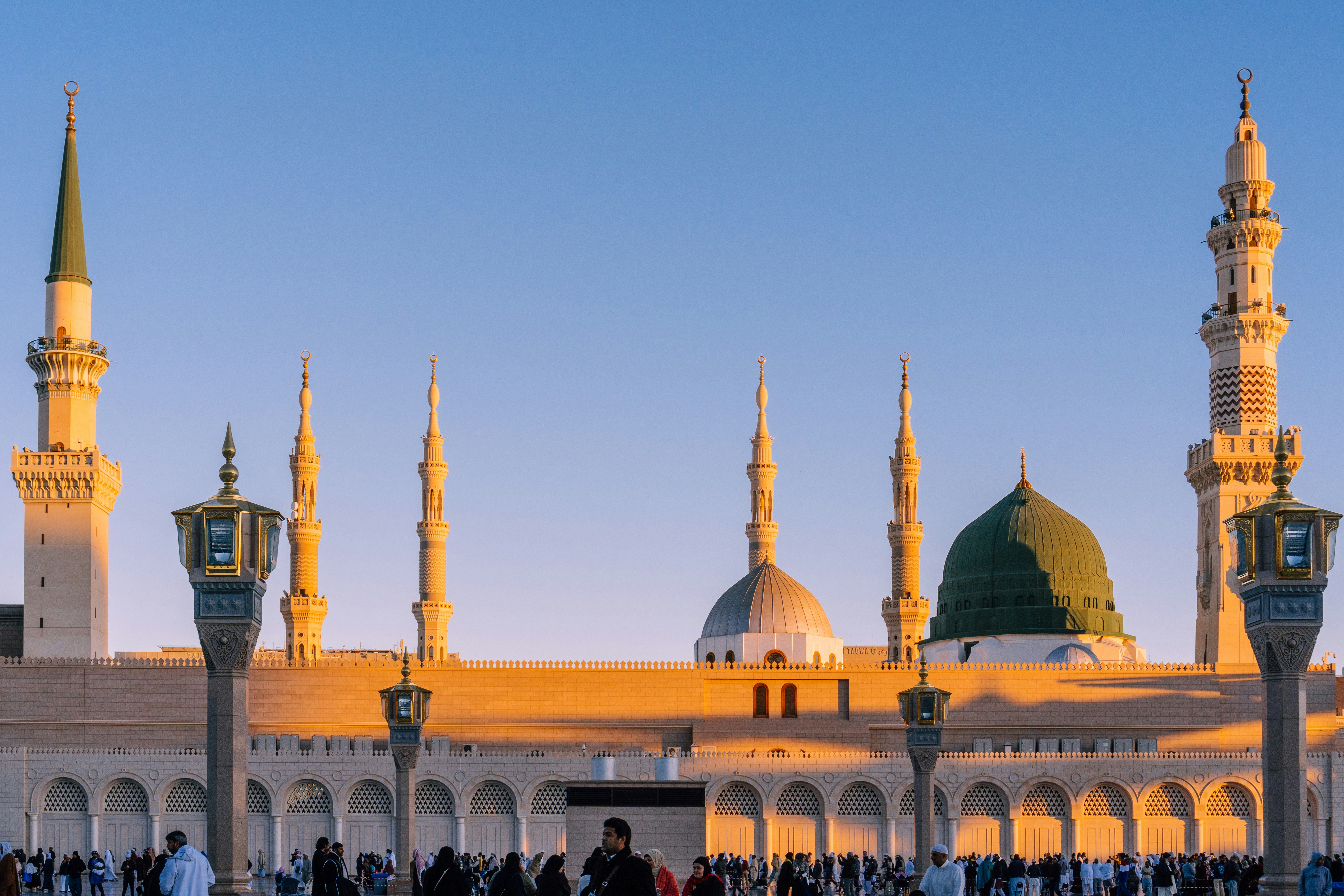
Tonight carries a double grief. On the 28th of Safar, 11 AH (632 CE) — the date held by the consensus of the scholars of the Ahlul Bayt school — the Messenger of Allah (peace be upon him and his family) departed this world in Madina. And on the very same date in 50 AH (670 CE), his first grandson, Imam Hasan al-Mujtaba (peace be upon him), was martyred by poison and laid to rest in Baqi. The day the ummah lost its Prophet is the day, thirty-nine years later, it lost the first inheritor of his face and his forbearance — for the books record that Hasan resembled the Prophet more than anyone.
A note on the calendar: the Imam Hasan mourned tonight is the second Imam, Hasan al-Mujtaba (a). Al-islam.org’s sources place his martyrdom on 28 Safar 50 AH, though some calendars commemorate it on 7 Safar. The martyrdom marked on 8 Rabi al-Awwal is that of a different Imam of the same name — the eleventh Imam, Hasan al-Askari (a) — covered in its own article.
The Heaviest Loss in History
No community ever lost what this community lost on this night. “Muhammad is not but a messenger; messengers have passed on before him. So if he was to die or be killed, would you turn back on your heels?” (3:144). The verse, revealed years earlier at Uhud, was a warning aimed precisely at this night — because the test of a community is not how it follows a living guide, but what it does the morning after.
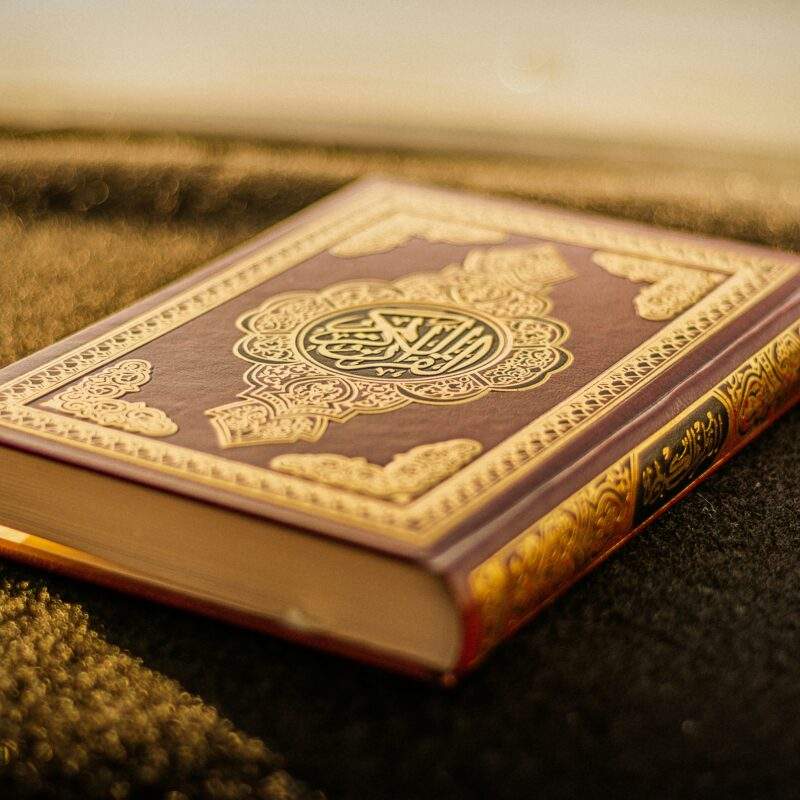
In his final illness the Prophet left no ambiguity about how his legacy would be preserved. He had already declared it at Ghadir weeks before, and throughout his mission: “I leave among you two weighty things: the Book of Allah and my family, my Ahlul Bayt; as long as you hold fast to both, you will never go astray after me — and they will not separate until they return to me at the Pond.” The Qur’an and the Household: text and teacher, revelation and its living commentary. A book alone can be quoted by anyone for anything; the Prophet bound it to interpreters he himself had purified.
The Grandson Who Guarded It with Peace
Imam Hasan’s martyrdom on this same date completes the lesson. His caliphate met an army bought and a Kufa hollowed by betrayal; pressing the war would have exterminated the loyal remnant of his grandfather’s school and handed Mu’awiya a battlefield verdict over the Prophet’s family. So Hasan did the harder thing: he made peace on terms that stripped the kingship of religious legitimacy, preserved the community of believers, and reserved the future. “What made me act is what made my grandfather act at Hudaybiyya,” he said. Ten years later, still dangerous merely by existing, he was poisoned — his coffin shot with arrows at the door of his grandfather’s grave, and denied burial beside him.
The Prophet preserved the message by appointing its guardians; Hasan preserved it by refusing to let it die on a battlefield of treachery; and his brother Husayn, a decade later, would preserve it by dying for it at Karbala. Three strategies — designation, patience, sacrifice — one unbroken trust.
Our Share of the Trust
The 28th of Safar asks each of us the question of 3:144: now that the Messenger is gone, on whose heels are we standing? Tonight, recite ziyarat for the Prophet and for his grandson in the unlit graveyard of Baqi. Read even a page of the Book he left, alongside a saying of the family he left it with. The legacy was preserved at the highest imaginable cost; preserving our own connection to it costs only a night’s attention.
Peace be upon the Messenger of Allah on the night of his departure; peace be upon al-Hasan, poisoned and patient; and peace be upon the two weighty things, which have not separated, and will not, until the Pond.
References (al-islam.org):