The First Pilgrim of Arbaeen: How a Blind Companion Began a Tradition of Millions
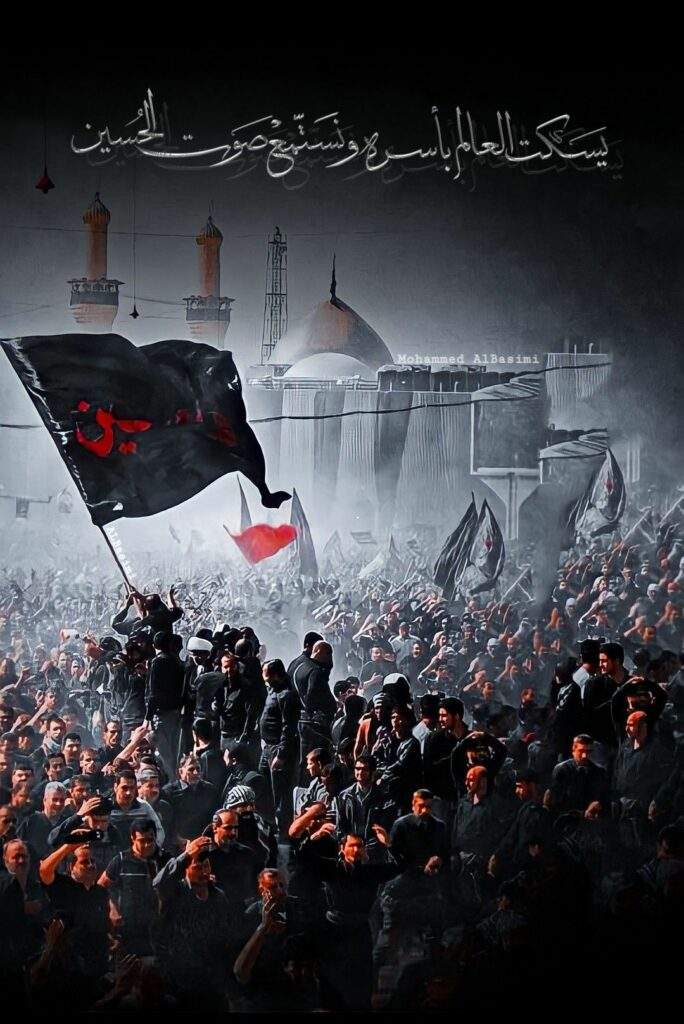
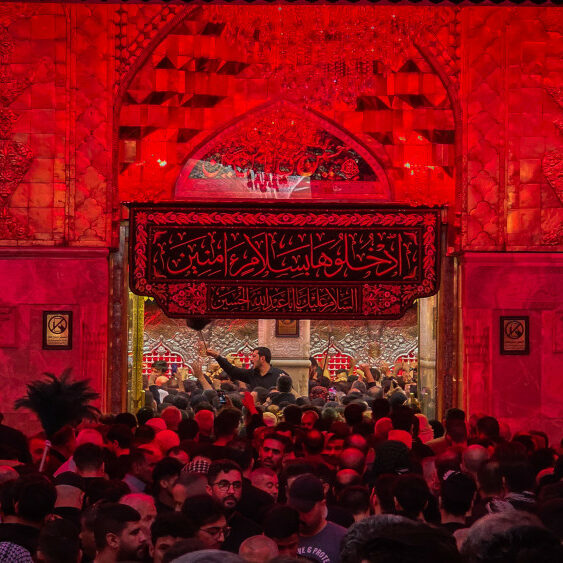
Every year, in the days leading up to the 20th of Safar, millions of pilgrims set out on foot toward Karbala. The roads from Najaf, Basra, and beyond fill with men, women, and children walking toward the shrine of Imam Husayn (peace be upon him). Yet this vast movement — among the largest peaceful gatherings on earth — began fourteen centuries ago with a single elderly man, a companion of the Prophet (peace be upon him and his family), who could no longer see.
Jabir ibn Abdullah al-Ansari
Shaykh Tusi records in Misbah al-Mutahajjid that the 20th of Safar is the day on which Jabir ibn Abdullah al-Ansari came from Madina to Karbala to pay homage to the sacred grave of Imam Husayn — the first person ever to do so. It is this visitation that came to be known as Ziyarat al-Arba’in, the visitation of the fortieth day.
Jabir was no ordinary visitor. He was a venerable companion who had fought alongside the Messenger of Allah in numerous battles and narrated many of his traditions. The Prophet held him in such affection that he would visit Jabir personally at his home. Jabir had heard from the Prophet’s own lips the lofty status of his grandsons, Hasan and Husayn. When news of the massacre at Karbala reached Madina, this aged man — who according to some narrations had by then lost his sight — set out across the desert to mourn at the grave of the Prophet’s beloved grandson, arriving exactly forty days after the martyrdom.
The Companion at His Side
Jabir did not travel alone. With him was Atiyya ibn Sa’d al-Awfi, a learned successor (tabi’i) who had studied under Abdullah ibn Abbas — attending, by his own account, three courses on the exegesis of the Qur’an and seventy on its recitation. History would later test Atiyya’s loyalty severely: he refused the order of the tyrant al-Hajjaj to curse Imam Ali, accepting four hundred lashes rather than comply. It was no accident that such a man accompanied Jabir on this journey.
The First Ziyarat
Atiyya’s own account of that day, narrated through al-A’mash, has been preserved. When they entered Karbala, Jabir went to the bank of the Euphrates, performed the major ablution (ghusl), dressed, and perfumed himself with fragrance. Then, taking no step except in the remembrance of Allah, he approached the grave. “Make me touch the grave,” he asked Atiyya — and upon touching it, he fell unconscious. When water was sprinkled on his face and he awoke, he cried out three times:
“Ya Husayn… Ya Husayn… Ya Husayn…”
Then he spoke to the Imam: “Why is the beloved not responding to the call of the lover? But how can you respond, while your veins have been severed, and your body has been separated from your head? I bear witness that you are the offspring of the Prophets… the fifth member of the People of the Cloak, and the son of Fatimah, the mistress of women.”
“We Participated With You”
What Jabir said next carries the essence of Arbaeen. Turning toward the graves of the martyrs, he declared: “I swear by the One Who sent Muhammad as a Prophet with truth; surely we participated with you in what you encountered.”
Atiyya was bewildered. How could they have participated, when they had not crossed a valley, climbed a hill, or struck a blow with the sword — while the martyrs’ heads had been severed, their children orphaned, their women widowed? Jabir answered with words he had heard from the Prophet himself:
“Whosoever loves a nation will be resurrected with them, and whosoever loves the deed of a nation will be considered one who has participated in that deed.”
On the road back toward Kufa, Jabir left Atiyya with a final counsel: to love the lovers of the Family of Muhammad, for “the lover of Aale Muhammad would return to Paradise.”
A Tradition That Never Ended
Scholars have discussed whether the family of Imam Husayn, returning from captivity in Syria, also reached Karbala on that first Arba’in of 61 AH or in a later year. Whatever the case, the visitation of the 20th of Safar was established from the very first year after the tragedy — not as a later innovation, but as a practice rooted in the way of the Prophet’s companions and confirmed by the Imams of the Ahlul Bayt.
Every pilgrim who walks to Karbala today walks in the footsteps of a blind old man who could not see the grave — but saw, with perfect clarity, who lay within it.